Category

Wellness

Category

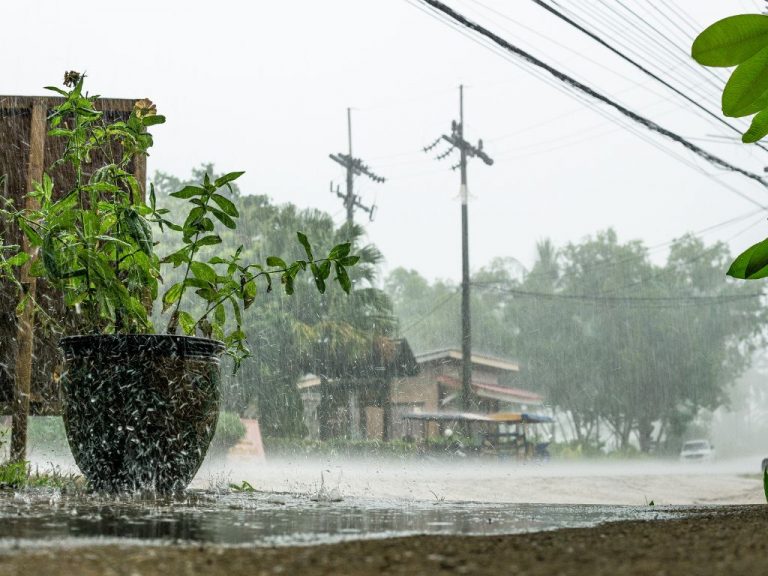
Monsoons bring so much joy and happiness to our lives. After facing a hot summer season, we all wait excitedly for the monsoon. The refreshing change fills our lives with happiness and gives a rejuvenating experience. With all this, one should stay safe in monsoon season.

With enjoyment you should also pay attention towards your health. We all have experienced so many diseases spread during this time. So it is better to take care of ourselves during the monsoon so that we can have a fantastic time without falling ill. Moreover, you can track your vitals using our Aarogyaone app.

Through the blog, we will share some tips to follow during monsoon season.

Important Tips To Stay Safe In Monsoon

Make your monsoon season happy and happening by following the below-mentioned tips. When you have good health you can live your life fully.

Maintain Good Hygiene

Cleanliness is an essential part of good health. Monsoon is all about the rainy season because of which water gets collected. Further, it generates so many diseases like viral fever, malaria, dengue, etc. Hence we should make sure to keep our surroundings clean.

Further, ensure to wash your hands with soap before eating or touching your face. We will recommend to so hand-wash frequently.

Say No To Raw Food

Try and consume properly cooked hygienic food. You should not eat raw vegetables, salads, etc.

Avoid Junk Food

Even in general life, one should not eat street food or junk food, but in monsoon eating street food can be dangerous for your health.

Drink Filtered Water

In order to stay healthy, one should take clean water. Keep it boiled or filtered because water is the main source for our body and the majority of the diseases get generated because of it.

What Diet and Nutrition Should You Take?

During monsoon, we all should take care of our immune system. Here we are recommending eatables that one should prefer during the season:

  • Consume Fresh Fruits & Vegetables: Always eat seasonal fruits such as pears, apples, etc.
  • Herbal Teas: To boost immunity and maintain good digestion, one should take herbal teas. Use ginger with tulsi & peppermint
  • Stay Hydrated: Keep drinking warm water in order to stay hydrated and this process will flush out the toxins from your body.

Clothing and Footwear During Monsoon

Along with hygiene, diet, and nutrition, one should take care of their clothing. They play an important role in keeping you protected from infections

  • Wear Dry Clothes: Make sure, your attire is fry. Prolonged wet cloths may spread infections.
  • Footwear: Try to wear boots or shoes to keep your feet protected from mud because, during the rainy season, the roads get muddy.

Home Environment

  • Ventilation: There should be proper ventilation for reduced humidity
  • Mosquito Control: Keep using mosquito nets, especially for kids and senior persons.
  • Clean Surrounding: Make sure, there is no stagnant water in your surroundings.

Perform Regular Exercise

  • Keep doing some physical activities. We know, during heavy rain, going outside is not possible but keep performing some indoor exercises. You can do yoga, and stretching to maintain your fitness level.
  • Maintaining mental health is equally important. To keep your mental status balanced, you should perform meditation and deep breathing.

Medical Precautions

Make sure you, your kids, and your grandparents are vaccinated against diseases that get prevalent during the season. Keep consulting with your healthcare providers. Also, don’t forget to track your vitals.

Final Thoughts

So guys, following the tips you can stay protected during monsoon. We have shared tips from hygiene to clothing to home environment to medical care. Adopt these tips and keep yourself healthy and happy.

We hope you will enjoy the monsoon season! Have a great time! Keep chilling!
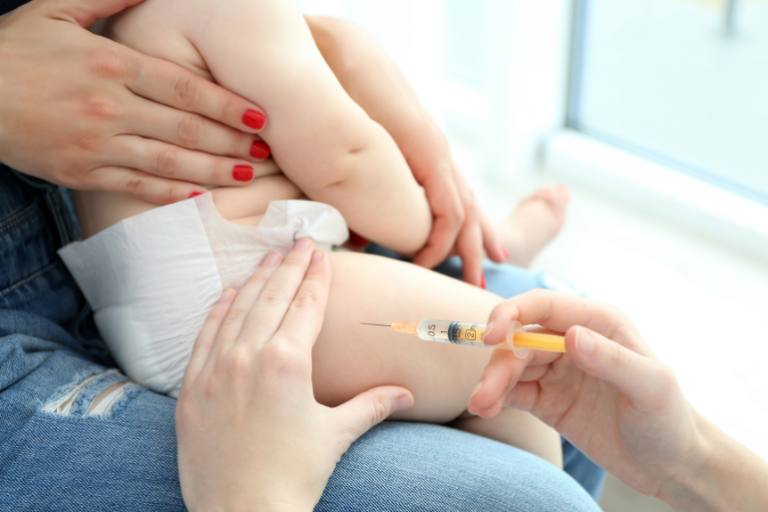
Do you know how important it is to get your children vaccinated in time?  Vaccination is whose responsibility? Children are administered their first vaccine as soon as they are born and continue to receive it till 6 years.

Vaccinations help in building immunity against fatal diseases such as polio, measles etc that might attack your child in the future. You must have understood that vaccination provides your child a safe and healthy future and it will be dangerous to miss out on any vaccine.

Several vaccines are given to a child at different times and sometimes it becomes difficult to keep track of the vaccination schedule. So let’s find a solution to this problem.

Vaccination is whose responsibility?

1- Parents have the primary responsibility-

When it comes to vaccination is whose responsibility, parents and guardians are the ones who are responsible for ensuring that their child receives the necessary vaccine timely. To protect their kids from diseases and illnesses, parents need to stay updated about their child’s prescribed vaccination schedule and they must know which vaccines are required and when.

The prominent way to ensure that your child has received the necessary vaccines on time is by actively seeking details and coordinating with medical professionals.

2-Role of healthcare professionals

Healthcare professionals, along with parents, play a significant role in the entire vaccination journey. You will be assisted by your pediatrician or family doctor, in the vaccination journey, who will also address your concerns and offer advice based on your experience.

Your child’s vaccination status will be monitored, and they will make sure that the necessary vaccines are given at the right time. So without any hesitation, get in touch with your doctor and build an effective partnership to safeguard your child’s health.

3-Implementing immunization regulations in the institution

Institutions such as schools can help make sure that your children are vaccinated sufficiently. During the time of admission, many schools have strict regulations regarding vaccination.

These regulations help the school to protect the health of all students and stop the spread of infectious diseases. Hence, it is important to maintain a record of your child’s vaccination schedule at schools and childcare centers.

4- Vaccination initiative by the government

Governments of all countries support the vaccination process and boost it by providing vaccines either free or at minimal cost. They formulate and execute programs highlighting the importance of child immunization. Governments provide free-of-cost vaccines to those who cannot afford expensive vaccines due to financial constraints.

Immunisation: whether a choice or a responsibility

Let’s start by discussing personal choice. Having the power to make decisions that affect your own life is the essence of personal choice. Some people believe that this freedom should include the option of choosing whether or not to receive vaccinations. It’s your body, after all, correct?

The concept of moral responsibility is just the opposite. According to this viewpoint, we have the responsibility to defend not just ourselves but also others close to us. This includes receiving vaccines in order to protect vulnerable groups and stop the spread of diseases. It involves putting the interests of the groups above those of the individuals.

Let’s now consider some of the justifications for the individual choice. The potential side effects are one of the key issues brought up by vaccine skeptics. Some people have a fear that vaccines could hurt them and have long-term effects. The benefits of vaccines clearly outweigh any potential hazards, despite the fact that vaccines, like any other medical procedure, can have side effects.

On the other hand, the proponents of moral responsibility point out that throughout history, vaccines have played a crucial role in eradicating or controlling fatal diseases.

Because of extensive vaccination, diseases like smallpox, and polio which previously wreaked havoc on communities are now nearly extinct. By getting immunised we help to protect public health as well as ourselves.

It is crucial to understand that moral responsibility and personal choice are not opposing concepts. In reality, they are capable of peaceful coexistence. We can strike a balance between upholding individual autonomy and acknowledging how our choices affect other people.

What should you do to keep your vaccination record up-to-date:

1- Consult your Paediatrician

When it comes to your child’s health, your pediatrician is your trusted advisor. They will provide you with a detailed vaccination schedule customized for the needs of your child. Talk to them about the necessary vaccinations and the appropriate ages for receiving them. You will be better able to stick to the suggested schedule if you have a clear knowledge of it.

2- Set up Reminders

Due to our hectic life, we can easily forget important dates and appointments. Use a calendar app or set reminders on your phone to make sure you do not miss out on any vaccine. There are other ways as well to set reminders such as using sticky notes or a visible whiteboard. You can choose any of these options according to your lifestyle.

3- Keep in touch with school and caregivers

Keeping track of vaccination becomes much easier when you are assisted by those who are involved in your child’s care. Make sure to share your child’s vaccination schedule with the school and provide copies of all necessary documents. This way you can ensure that everyone who is in charge of your child’s care is aware of their vaccination needs.

4- Keep Inquiring and Stay up-to-date

Take the initiative to learn about any new vaccine and modifications to the current vaccination schedule. If you need any updates and suggestions, keep up with your local health department, the Centres for Disease Control and Prevention (CDC), or the World Health Organisation (WHO). Such information will enable you to make wise choices for your child’s health.

5- Keep a Health Record

Keep track of every vaccine given up until the age of six and cross them off as they are completed. You can also take the help of ArogyaOne, which allows you to upload and retain all of your health-related documents.

Conclusion: Vaccination is whose responsibility? </strong>

It takes a team effort to vaccinate your children. It is primarily your obligation as parents to stay informed and make arrangements to get your child vaccinated. Healthcare professionals are always there to help and guide you in the process of vaccination and ensure that your kid is administered the appropriate vaccine at the appropriate time.

Schools are strict with immunization regulations and encourage parents to abide by the rules. By making such rules, schools contribute to safeguarding the health of the students and the community. Last but not least; the government also plays a major role in the immunization process by ensuring that vaccines are available to everyone.

So, we have given all the answers for vaccination is whose responsibility.

We cannot d

eny that vaccination is an essential step in protecting our kids’ health and blocking the spread of diseases. We can all work towards building a better and safer future for our children by staying informed and actively participating in the vaccination process.

Pin It